What do you do when a grape variety intrinsic to your vineyard, your region, your DNA, starts to stagnate on wine shelves?
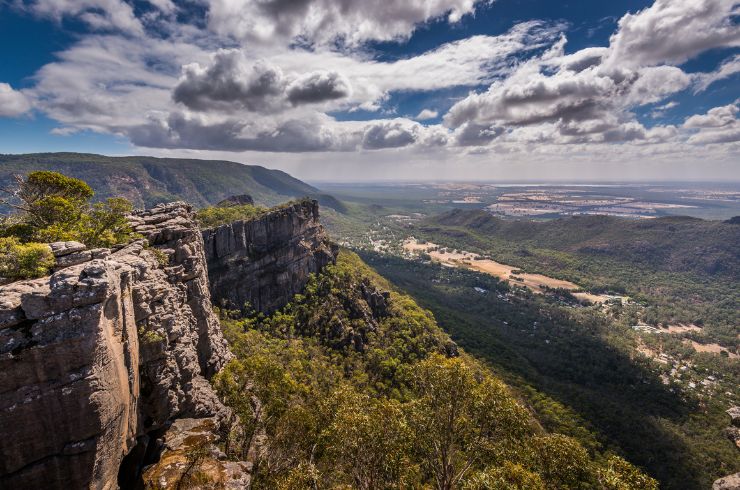
Nowhere is this question facing Australian producers more so than in Western Victoria, where shiraz is king. Here, when times are tough, you go higher, do better, go back to your roots.
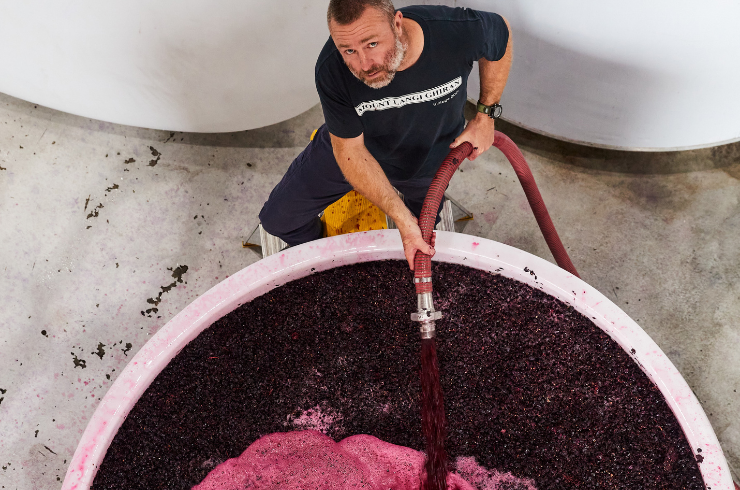
“I would rather be making great wine that is not fashionable than making ordinary wine attempting to chase the fashion,” states Darren Rathbone, proprietor/winemaker at Mount Langi Ghiran in the Grampians.
It’s a statement of earnest intent shared across Western Victoria, from the Pyrenees to the Grampians and Great Western to Henty. “Shiraz is the hero at Dalwhinnie,” says winemaker Julian Langworthy. “It is our strongest suit and most consistent wine.”
For him, the future is about making shiraz “as good as it can possibly be.”
So, while the focus out West will continue to be on medium-bodied, aromatic, peppery, spicy shiraz, expect more bang for your buck and a greater celebration of historic old vines and quality single vineyards from this part of the world.

In whites, it’s all about riesling in the Grampians and Henty, especially. You don’t muck around with classic grape varieties that have stood the test of time and countless rounds of fashion.
Not that new-gen or other classic grape varieties are being ignored. A bunch of lively Mediterranean red varieties are making their move, while vermentino, chardonnay and viognier are raising the white wine bar higher.
And, for those affected by not one, but two, bushfire seasons in a row in the Grampians, there’s also the opportunity to get back to full production in the future.
“I’m looking forward to a vintage without the spectre of bushfires hanging over me,” says Rory Lane at The Story Wines, who has all fingers and toes crossed in anticipation. “I’m looking forward to a clear run at it this year!”
In the past, producers in Western Victoria have been quiet about the wealth of old vines that run deep in their soils, boasting an impressive age and history every inch as engrossing and worthy of acknowledgement as those celebrated in South Australia. Best’s, Seppelt and Grampians Estate sit on a treasure trove of old vines dating back to the 1860s and 1870s.
At Seppelt Great Western, winemaker Clare Dry talks of “signature” shiraz clones, selections that originated from the older blocks like Imperial and St. Peters. “While they are not formally classified clones, they are recognised as unique material within our vineyards,” she says.
Expect to hear more about the old vines across Western Victoria, as well as great individual vineyard sites such as the much-lauded Malakoff vineyard in the Pyrenees, where producers from around the state fight for fruit.

Altera Terra winemaker Doug Neal has his own best-kept secret of a Pyrenees vineyard – Wood’s Paddock at Avoca. “I know when I have stumbled on something special and this vineyard is as rare as hen’s teeth,” he says. “Nobody had realised just how amazing the shiraz is from this vineyard.”
Wood’s Paddock is on red sandstone and quartz, which ensures less vigour, and is planted to the P58 clone, which the maker prefers for its spice and perfume.
Names of shiraz clones don’t fall from the lips as easily as Burgundian pinot noir or chardonnay clones, but for shiraz makers, it’s all part of drilling down into what works. “Given the current oversupply, I think we should be focused more on those sites, areas that take shiraz to the highest level of complexity and interest,” adds Doug. It’s hard to disagree.
Drilling down on quality for Clare Dry means returning Drumborg riesling to a dryness level that puts the magnifying glass on the purity of cool-climate riesling, while also potentially increasing ageing potential.
At Crawford River, down the road in the Henty wine region, winemaker Belinda Thomson’s museum rieslings – current releases 2017 and 2018 – are being hunted down by Australian sommeliers. Aged riesling from this part of Victoria is now being celebrated on some of the country’s best restaurant wine lists.

At Dalwhinnie, Julian Langworthy is excited about the incredible potential of the vineyard’s cabernet sauvignon. “Cabernet is a bit of an enigma at this site,” he says. “It really can be the most beautiful of wines when it sings and ages like you would not believe.
“The current release 2021 Moonambel cabernet is the most wonderful wine in that release; a subtle, distinctly medium-bodied cassis flavour dream.”
Fallen Giants, which won the 2021 Jimmy Watson Trophy for its 2019 shiraz, is seeing strong interest from sommeliers in its cabernet sauvignon. “Being continental and with almost 300m elevation, we have a large diurnal temperature range,” says co-owner Rebecca Drummond.
“Warm days and super cold nights give us lovely flavour development with great acidity and moderate alcohols. I think this is key for our cabernet.”
There is a level of quiet excitement about the future of grenache and tempranillo across Western Victorian wine regions. Ten years ago, grenache would not have ripened in some parts, but climate change is now making it possible.
Mount Langi Ghiran was an early adopter and is pleased with its progress. Tom Guthrie at Grampians Estate decided to plant grenache together with tempranillo four years ago. “The grenache fad came along so those wines have been selling really well and that led me to filling in a gap in our Great Western vineyard that was full of snakes and rabbits,” he explains.
“I thought, well, let’s put some grenache and tempranillo in there and someone in 10 years’ time will probably thank me, because vineyards take 10 years before they really hit their straps.”

Birds enjoyed the first small grenache crop last year, but Tom will net this coming vintage and is hopeful of seeing fruit.
No-one talks up the possibilities of Grampians grenache more than winemaker Hadyn Black at Black & Ginger. He’s been making it since 2019 after being contacted by grower Paul Dakis at Arrawatta Vineyard, who had an extra bin of fruit looking for a home.
“I tasted it during pressing and it was so fresh and vibrant that I thought, 'I have to share this with others!'” he remembers. “Very quickly, I decided that no oak was needed, and it should be bottled straight away. Since 2019, I have continued to make it in the same style. I really enjoy drinking it!”
Hadyn is also showing the possibilities that exist with a strong band of Spanish and Portuguese red grapes that he also sources from Paul Dakis and blends together under the Cinco Rojas label. Five varieties pack a delicious, ripe-fruited, savoury punch in the latest 2023 vintage.
The future bodes well in Western Victoria, whether it’s new vines, old vines, classic grape varieties or next-gen newbies full of potential. “I think the concept of terroir is important in this discussion,” suggests Darren Rathbone at Mount Langi Ghiran. “Fashions change quickly, and great vineyards have a very long life.”
In Western Victoria, truer words were never spoken.
This article first appeared in issue #81 of Halliday magazine. To receive the magazine, unlock digital access to 190,000 tasting notes, and more, become a member now.
Latest Articles
-
![Default article tile image]()
From the tasting team
Jane Faulkner on what makes Kerri Thompson’s Peglidis riesling so special
11 hours ago -
News
Wantirna Estate goes on the market after more than six decades in family hands
14 hours ago -
Wine Lists
Toast International Champagne Day with these six expressions
1 day ago -
Wine Lists
Ten red wines perfect for summer drinking
2 days ago