While sustainability may be a word aligned with a greener future, it’s also, as Marcus Ellis writes in issue 82 of Halliday magazine, a word ripe for greenwashing.
True sustainability encompasses more than the environment – although that’s a big one – with business viability, as well as social and community impacts crucially important, too. This means that everything from land, soil and water management to treatment of workers and packaging and distribution must be considered.
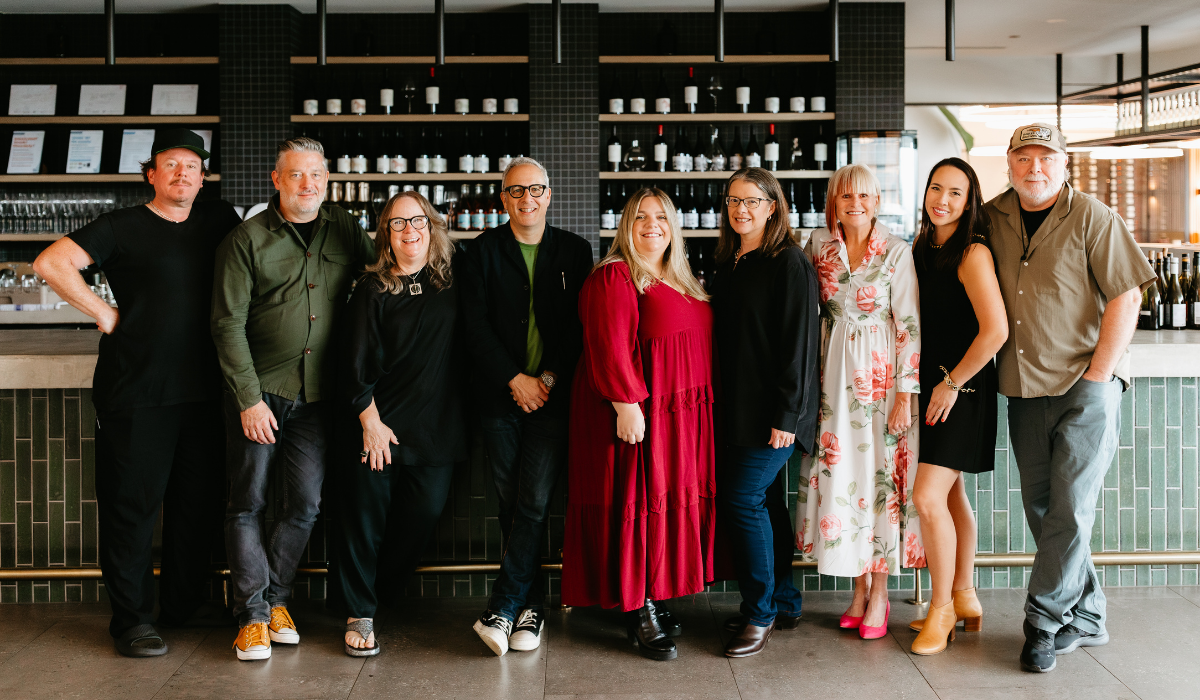
Below, the Halliday Tasting Team talk sustainability in the wine industry, and highlight the factors that resonate most.
Jeni Port
Closed-loop composting, pesticide-free farming and a commitment to low-input, environmentally responsible practices are among the tools encouraged for sustainable winemaking but, to me, there is one thing that is immediately apparent and noted by every single wine consumer – light-weight bottles. Use of light-weight bottles (around 300g each) across all price points tells me the producer is serious about sustainability. Even mid-weight bottles (around 400g) are better than the indulgent 750g heavy punted bottles that some producers think speak for the quality of their wines. They don’t. They speak of total unsustainability. Let the wine do the talking.
Dave Brookes
This is a tough one as there are so many factors that go into a sustainable wine business, from the farming through to the packaging and finished product. I don’t want to be a Debbie/Darren Downer here, but one thing that is brushed over more often than not is that alcohol is a drug, and one that can cause its fair share of societal problems. Wine is perhaps less of a culprit than other forms when it comes to excessive alcohol consumption, but still it is something that needs to be ruminated on. Building community, positive brand messaging and moderate wine consumption with a focus on enriching people’s lives are vitally important. Some are nailing it, others sadly not so much.
Philip Rich
The sustainability factor I value most is chemical reduction in vineyards. Synthetic pesticides and fertilizers don’t just damage today’s environment – they degrade soil biology for decades, undermining the land’s natural capacity to sustain vines. When I visit producers farming organically or biodynamically, whether it’s certified or not, I see healthier, more resilient vineyards. The vines achieve natural balance with less intervention. Good soil biology becomes the foundation, not an afterthought. It’s not merely environmental responsibility; it ensures future generations inherit living, productive land. The choices we make today determine whether these vineyards can continue making wine in 50 years, or 500 for that matter.
Katrina Butler
Crucially, for such a time as this, we must pay closer attention to the suitability of varieties planted through the lens of climatic attributes and oversupply. Whether this is by focusing on new plantings, reworking existing vines, or, sadly, re-evaluating overall vine viability, considering the current slowing demand. A community-based approach, producers working together for the betterment of their regions and Australian wine, will make for a more sustainable industry in the long term. Take a leaf out of Ashley Ratcliff’s (Ricca Terra) binder of wisdom; there is always a way to improve on missteps of the past.
Marcus Ellis
If I had to choose one thing that both informs and has a cascading effect, it would be genuine regenerative agriculture – the healing and rehabilitation of the land (vineyard and non-vineyard), making for a holistic nurturing system, benefiting the environment and all of us creatures that so essentially rely on it. As Dudley Brown from Inkwell in McLaren Vale says, we can’t afford to be extractive anymore, if we ever could. That’s what really matters: put back more than you take, in whatever way you can.
Mike Bennie
Sustainability lives at the coalface. It’s the daily, unglamorous decisions that keep vineyards alive for the long haul, including soil and farm health, water and environmental respect, and people acknowledged and paid properly for skilled work. I care less about slogans and more about growers who farm like they or their family intend to leave their land in a better, healthier place. Sustainability isn’t a badge, it’s a behaviour that looks to betterment for the planet, culture and climate overall.
Toni Paterson MW
With increasing climate pressures, the sustainability factor I value most is vineyard management that actively improves the land over time, particularly soil structure and function, and biodiversity. As vineyards are part of the wider ecosystem, I admire progressive producers who prioritise regenerative practices that improve soil health and water resilience, reduce their reliance on synthetic inputs, and create habitats for beneficial insects and wildlife. Seeing vineyard health improve over time is the strongest signal to me that sustainability is a genuinely embedded philosophy rather than a marketing angle.
Shanteh Wale
Single-focus sustainability is unsustainable, inadequate, and a relic of an older paradigm. Today, genuine sustainability calls for lateral vision, a broad horizon, and a commitment to weaving responsible practice through every thread of a business. Press me further, and I’ll say this: wine begins and ends with nurturing life – both plant and people. If your work does not serve the land, the community, and the future of this country, then, quite simply, it’s a hard pass from me.
Jane Faulkner
Unequivocally, sustainability must encompass a holistic approach starting from the vineyard right through to buying a wine, so it’s part economic, part social and largely environmental. Since farming is our most fundamental enterprise, sustainability starts in the vineyard, and given climate change is the most significant challenge, it’s about adopting the best varieties for appropriate conditions, incorporating best practices in terms of water and land management, and ensuring soil health and plant protection, including mitigating diseases and pests in a more natural manner using science as the assessor. Sustainability is about caring for the land today to ensure grape growing has a strong, safe future.
This article first appeared in issue #82 of Halliday magazine. Become a member to receive the magazine, digital access to more than 190,000 tasting notes from 4000+ wineries, and much more.
Subscribe to the Halliday Wine Companion Podcast
Hear from some of Australia's top winemakers and industry professionals as they share their stories and insights on the Halliday Wine Companion Podcast. Listen here, or on your usual podcast platform, and remember to rate, share and subscribe so you never miss an episode.
Latest Articles
-
News
One of Central Otago's most striking wineries has released its 2024 pinot noirs
8 Oct 2026 -
Wine Lists
Seven wines to celebrate International Fiano Day
7 Oct 2026 -
Wine Lists
New reviews snapshot: 15 great wines from Australia and New Zealand
7 Oct 2026 -
News
Bilancia, maker of New Zealand's best red wine, celebrates 30 vintages
1 Oct 2026