Out of the thousands of wines they collectively review each year, the Halliday Tasting Team is allowed to select just one as their Taster’s Pick for the Halliday Top 100.
The Taster’s Pick category, introduced for the first time in 2024, contains the final 10 wines in the Halliday Top 100. The other categories include Australian Sparkling, White Wines Under $40, White Wines Over $40, Red Wines Under $50, and Red Wines Over $50.
Below, the tasters reveal why each wine was their highlight from the past 12 months.

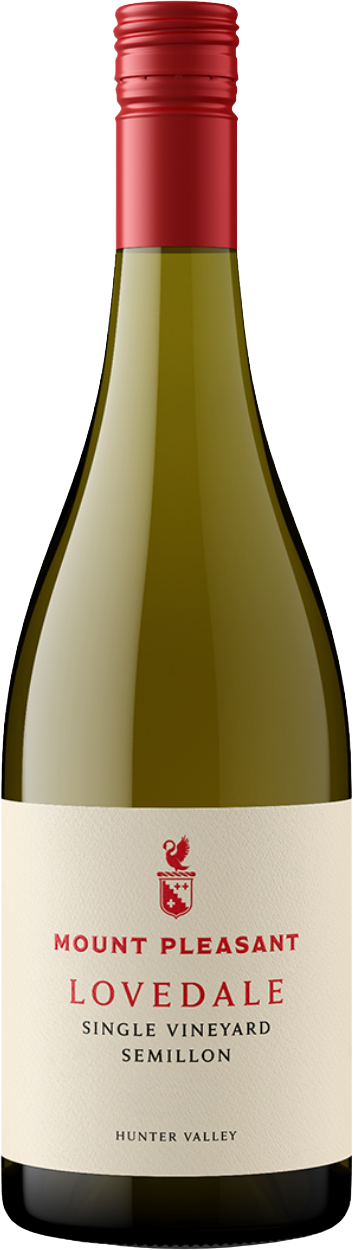
Toni Paterson MW: Mount Pleasant Lovedale Semillon 2025, Hunter Valley
Every time I see the '25 Lovedale, it bowls me over with its purity, intensity and grace. Sourced entirely from the 1946 vines, planted by Maurice O’Shea on a flat, sandy ancient seabed at 60 m elevation, it has that rare combination of refinement and intensity.
This example is a pure expression of site, ultra-fine and polished, displaying clarity and elegance and demonstrating mastery in both the winery and the vineyard. 2025 was a stellar semillon year in the Hunter Valley, with the season delivering grapes of perfect ripeness, focused flavour and excellent acidity, creating a spectacular Lovedale that has beautiful freshness, balance and line, making it utterly delicious now, while also having the potential to evolve majestically over time. In fact, winemaker Adrian Sparks believes it to arguably be the best Lovedale of his tenure.
This is a must-buy for all serious wine lovers and will reward the patient, as it is poised for greatness. Congratulations to Adrian, Jaden Hall, and the vineyard team on this impressive wine that will delight drinkers for decades.

Shanteh Wale: Printhie Wines Swift Vintage Brut 2016, Orange
If ever there were a time to celebrate Australian wine, it is now. And what better way to do so than by popping a bottle of traditional-method sparkling from Australia’s only wine region defined by altitude? A dazzling blend of pinot noir and chardonnay, grown at 1000m, this is a compelling expression of cool-climate fruit, given remarkable depth and complexity through eight years of lees ageing.
From the acclaimed 2016 vintage, the wine’s low dosage allows its energy and freshness to shine, while layers of toffee, brioche and biscuit provide a deliciously complex base. There is a wonderful tension between the wine’s pristine acidity and its more developed, savoury character, creating a sparkling wine that is both refined and immensely drinkable.
This is an exemplary demonstration of the patience, dedication and vision required to make truly outstanding sparkling wine. It is little wonder Drew Tuckwell was nominated for Winemaker of the Year at the recent Halliday Wine Companion Awards. His commitment to high-altitude viticulture and extended ageing is evident in the glass.
This wine has an uplifting sense of joy, from its vibrant flavours and distinctive origins to its refreshingly accessible price. It’s a wine that feels celebratory in every sense, and it’s a wonderful reminder of just how exciting Australian sparkling wine can be.


Philip Rich: Rob Hall Wines Cabernets 2025, Yarra Valley
Rob Hall is a Yarra Valley local through and through. Having grown up in Healesville, he cut his teeth at Yarra Ridge and Punt Road before landing what remains one of the most coveted winemaking roles in the country: winemaker at Mount Mary, where he spent 10 vintages from 2002 to 2011 crafting, among other things, some of the finest cabernet blends in Australia. A stint at Kellybrook followed before he established his eponymous label in 2014, sourcing fruit from his parents' vineyard near Healesville, along with a handful of well-sited vineyards across the valley.
Given that pedigree, you might expect a little fanfare. Instead, Rob goes quietly about his business, flying under the radar while crafting wines that almost always over-deliver. He's made a superb set of wines in 2025, and none better than the Cabernets. As I wrote in my review, this is exceptional value – perhaps even more so in this very good vintage.
It's fragrant, medium bodied and impeccably balanced, with silky, persistent tannins. It's a wine you can happily drink now, but you'll also be rewarded by cellaring this for six to eight years. If ever a wine demonstrated that quality Yarra cabernet needn't cost a fortune, this is it. Hats off!


Mike Bennie: View Wine Alvarinho 2024, Granite Belt
It's so often the wines in the margins that get me. Making wine on the edge captures a sense of experimentation, derring-do, and here there’s a sidestep of regional halo varieties and working out that delicious, finely wrought wine doesn't always rely on the sensible option. This is a considered wine regardless. It hits classic characters of the variety and finds freshness and finesse from saline minerality. It's exotic and quixotic and just straight-up delicious.
If you've heard the buzz around 'salty, textural whites', well, here's one that brings that notion home. I love drinking white wines with sea spray and briny mineral qualities, with the texture of hazy apple juice, wines that finish bright and lip-smacking. Again, we find that here. That it comes from the lesser-sung climes of an elevated site in Queensland's Granite Belt makes it an even more compelling drink.


Marcus Ellis: S.C. Pannell Sunset 100 Grenache 2023, McLaren Vale
The new Pannell grenache suite is a mirror to the rise of McLaren Vale grenache as truly individual and unequivocally world class. But it goes deeper, as the wines now all come off the home Little Branch vineyard.
Growers have been pivotal, and will remain so, allowing an array of makers access to distinguished sites and old vines, but with key players like Stephen Pannell settling into their own vineyards, making wine from the ground up, grenache’s star is still firmly in the ascendant. This wine tells that story better than I can.
Patience is required, but the impact of air reveals seemingly endless layers. Look at it over a few days as it unlocks its many mysteries. Steve always says there is nowhere to hide with grenache. Great grenache is a transmission of site and season, unburdened with oak, and this tastes like nothing else. We can draw connective lines, suggest approximate parallels, and I do, but they are ham-fisted follies, clumsy sketches of something uniquely reflective of the deep-reaching, life-giving action of the vine roots, and the sensitive stewardship of the vines above ground, with the work in the winery deferential, reverent even.
Take this to the world. Say, look at what we can do.


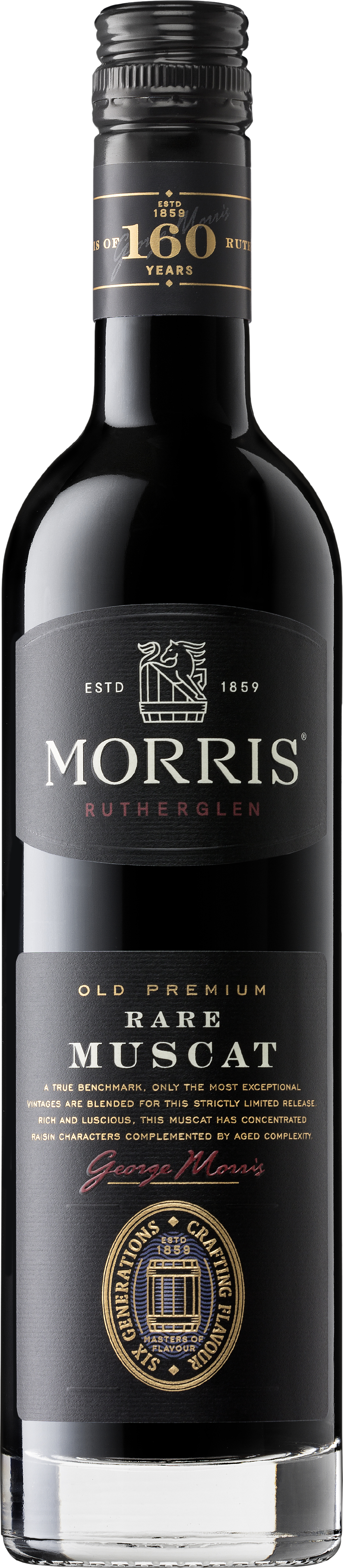
Jeni Port: Morris of Rutherglen Old Premium Rare Muscat NV, Rutherglen
Offers a total immersion into the opulent, beautiful world of sweet things: honeyed figs, Christmas cake, sticky date pudding, roasted nuts and a luscious intensity based on old, old wines, all smoothly honed and lifted by neutral spirit. This is a great Australian wine that we almost lost.
Ten years ago, Morris, one of Australia’s – and the world’s – great fortified producers, was on its knees. Its then-owner, Pernod Ricard, had put the winery up for sale, and with no one coming forward, it was feared that assets, including historic fortified solera stock, would be broken up and sold. A white knight, Casella Wines, saved the day.
As you pour a glass, pause to consider just how close we came to losing a world-class producer and a veritable treasure trove of gracious old wines such as this, the Old Premium Rare Muscat – fundamentally remarkable and a gift to the world of wine.
For six generations, Morris winemakers have laid down wines each vintage for their fortifieds. The base for Old Premium Rare Muscat was put together by the late, great Mick Morris in the 1950s. The oldest wine in the Mother Blend dates back to 1930, and the average age hovers around 40 years. Every 12 months or so, the Mother Blend is refreshed and rebuilt with younger vintage material. Today, Mick’s grandson, Madden, oversees the winemaking and blending, with input from his dad, David, just as David did with his dad, Mick. Today, the Morris name lives on and so, too, does great Australian muscat.

Jane Faulkner: Amato Vino Tramonto 2025, Margaret River
Amato Vino winemaker and owner Brad Wehr produces several tiers of wines. The 2025 Tramonto comes under the Fusa category, which he describes as juicy, fruit-driven blends of seemingly disparate varieties, yet that are oh-so complementary, and aimed at everyday drinking.
The Tramonto is a blend of mostly tempranillo and teroldego, with splashes of chardonnay and chenin blanc. The combo works brilliantly. Lovely aromatics, lightly fruited, with soft, giving tannins and refreshing acidity. While not complex (that’s not the point of it), it has plenty of detail, and although it’s a light red, it can be chilled, so it’s fabulous in warmer weather. It fills me with joy right to the last drop.


Dave Brookes: Sami-Odi Hoffmann Dallwitz Syrah 2024, Barossa Valley
I’m pretty confident that, as far as superlatives to describe the quality of the 2024 Sami-Odi Hoffmann Dallwitz Syrah is concerned, the well has well and truly run dry. It is that good. All the Sami-Odi wines are.
Much has also been said about the source of syrah: the renowned Hoffmann Dallwitz block in the northern parish of Ebenezer, of which Fraser McKinley has access to four rows of old own-rooted 1927 and pre-1912 vines that he farms organically (the Hoffmanns eventually followed suit across the whole property).
Less has been said about why the wines matter. Some wines demand your attention like a petulant three-year-old. But despite its depth and purity, the 2024 Dallwitz Syrah is a wine of subtlety and incredible detail, with intuitive and considered practices adhered to in both the vineyard and cellar. It’s akin to bonsai winemaking, and I just love that.
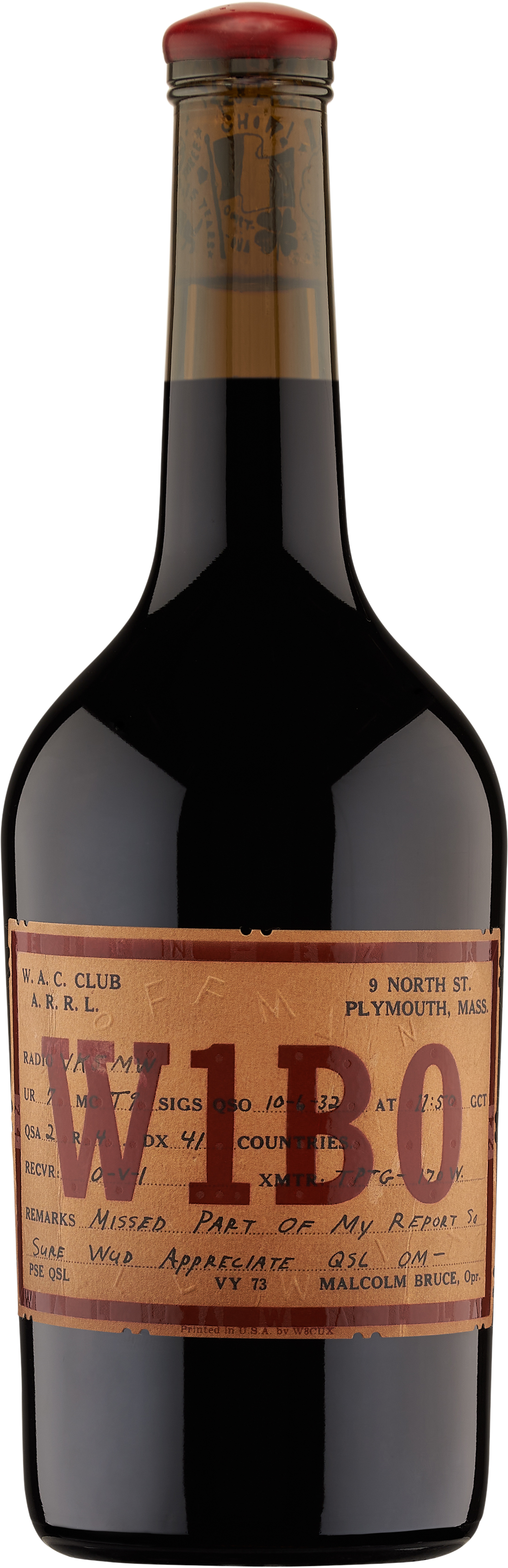
Fraser McKinley and wife Andy are modern-day bricoleurs, collecting things of meaning on their travels. These are etched into the label design of each release. Again, an unwavering attention to detail: old fragments, rearranged with intent. That's the wine, and that's the new Barossa. The fact that it is unbelievably delicious is a level up. And goddam it, that is important.

Katrina Butler: Ngeringa Summit Vineyard Chardonnay 2024, Adelaide Hills
As pioneers of organic and biodynamic wine farming, Janet and Erinn Klein have made substantial strides in quality since establishing their high-density Mount Summit vineyard in 2001. Their deft touch in the winery and judicious oak handling allow the wines to speak clearly of the decisions made in the vineyard with detail, restraint, elegance and poise, even in challenging vintages.
This is a wine that, for me, brings everything into view. Threads of salted lemon, astonishing length, the fruit ascending with momentum. Acidity uncoils and stretches out until filigreed, like a native fern unfurling to the sun. Ozone, nectarine, cashew and texture follow, the phenolics perfectly in check, with a smattering of spice from 30 per cent new French oak. Lemon curd, croissant and crème pâtissière close the palate.
This is a magnificent wine, and it left a lasting impression on me over this year’s tasting cycle. Precise, deeply expressive and utterly compelling, it feels like the culmination of years of conviction in the vineyard.


Panel Decision: Mount Mary Triolet 2024, Yarra Valley
James Halliday has spoken emphatically about this year’s Wine of the Year over the last 2 decades, perhaps most poignantly in reference to the ’14 vintage, where he noted: ‘Without question, the best white Bordeaux blend in Australia, combining richness with finesse and length – and above all else – dazzling complexity.’ Its blend doesn’t deviate from the composition of sauvignon blanc/semillon/muscadelle, which are all planted within the same estate vineyard. The inaugural release of this wine, the ’87 vintage, coincided with the resurgence of wine production in the Yarra Valley, some 15 years after initial plantings were established. Philip Rich says: ‘I’ve long regarded this as not just one of the Yarra Valley’s greatest wines, but one of Australia’s greatest wines.’
The fruit is tended to carefully. Sauvignon blanc is picked in a window to avoid overt herbaceous characters, the muscadelle picked once flavour development has reached its peak, and semillon when acids have softened. It then sees barrel fermentation in old oak and lees stirring for layered complexity and body. In its best years, ’24 being one, it boasts a breathtaking complexity and restraint. So pure and fine is its detail. So fervent is the need to procure it, stow it away and watch it evolve.
– Words by Katrina Butler

Latest Articles
-
From the tasting team
50 years of Craiglee shiraz: How Pat Carmody revived a Sunbury icon
19 Nov 2026 -
From the tasting team
From grit to glory: Marcus Ellis on the evolution of Australian grenache
19 Nov 2026 -
Wine Lists
McLaren Vale spotlight: seven wines to explore
19 Nov 2026 -
News
17 of the best Christmas gifts for wine lovers in 2026
19 Nov 2026