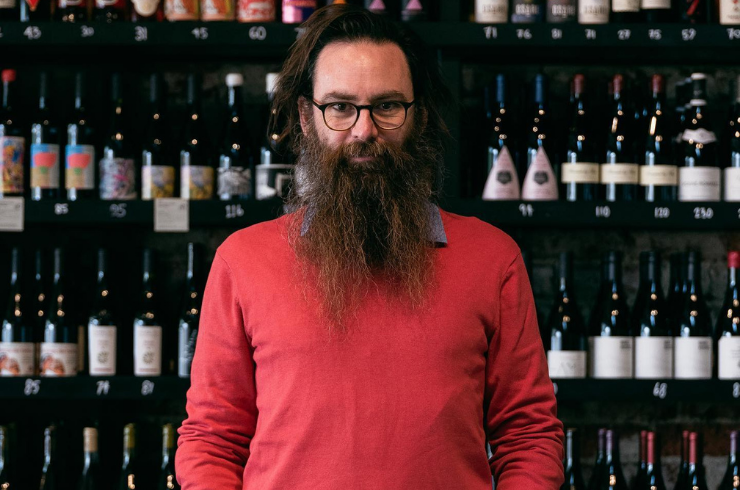
'Is this the end of wine as we know it?' was the title of a panel discussion held at the University of Melbourne last month. When I saw it being promoted, I messaged one of its panelists, Dan Sims (who, I should probably add, is also the current Chair of Wine Victoria), to tell him I was tired of seeing discussions about the future of wine – panels, roundtables and high-level conversations – without representation from the generation who will actually be the future of wine.
Not long after that, he published a piece on Substack asking the same question as the panel. His answer was considerably less diplomatic: “I bloody hope so.”
“I hope it’s the end of the patriarchal view of the world of wine,” he writes. “I hope it’s the end of blaming younger generations for all the woes the sector faces, while simultaneously dismissing how said generations actually engage with wine and what they love about it.” He then takes aim at the industry’s finger-pointing, resistance to innovation and rigid gatekeeping around what it means to be “serious”.
But what Dan (and seemingly everyone else in wine) is most exhausted by is the endless commentary about how bad the industry’s current state is. The same statistics are recirculated, the same problems diagnosed, and the same people invited to diagnose them. “All data is about the past. And it’s not necessarily about the future,” he says.

That doesn’t make the data irrelevant, or the challenges go away. Consumption is falling. Costs are rising. And so on. But, as Dan points out, wine does not have a monopoly on difficulty. Endlessly describing the crisis is not the same as responding to it. When decline becomes the only story the industry tells, it throws a wet blanket over the people, communities and ideas already building something different.
It also creates a clickable feedback loop of doom: announce the decline, blame younger drinkers, commission another report about them, then resist the changes they are asking for. Dan calls it the industry’s “yeah, but” response: Yeah, I get it, but I don’t want to change.
The more useful question, he says, is: “Now, how are we going to solve it?”
In his Substack, Dan recalls being a young sommelier 20 years ago and being told he wasn’t serious enough (yet also dubbed a snob) because the wines he and his customers wanted did not align with those celebrated by established drinkers. Two decades later, there may be more non-traditional voices in wine, but the industry’s gatekeepers remain uncomfortable when they do not sound, look, or behave in a familiar way.
I recently interviewed Megan Cruickshank, who has built a contemporary wine community through Apartment No. 6. Her gatherings sell out almost immediately and bring new people into the wine space. “We’re still too obsessed with trying to get young people to solve the wine problem,” she told me. Yet despite speaking directly to the audience wine is trying to attract, Megan says her events can appear frivolous to parts of the traditional industry.

Wine says it wants to reach modern drinkers, but often refuses to take their culture, or the people already connecting with them, seriously.
The industry has a peculiar way of resisting each new iteration of wine culture before eventually absorbing parts of it. Shall we mention 2010? Or utter the words natural wine? Whatever you think of the wines, the movement understood that a generation wanted discovery, informality, self-expression, and to be part of a movement. Much of the industry initially responded by laughing at it, dismissing its drinkers or arguing it wasn’t “real wine”. Dan sees the same resistance now playing out around alternative packaging and other innovations designed to fit into a modern life and meet people where they are.
This partly comes from an expectation that everyone wants to understand wine technically. “I don’t feel we need to educate; we need to empower people,” Dan says. People may want to learn, but when education is treated as compulsory for enjoying a glass, it creates an environment where the industry knows everything and the drinker knows nothing.
His analogy is simple: if a restaurant explained every step of how a cow becomes steak on our plate, we would probably order the salad. Why must wine explain every step of the process in detail before allowing people to enjoy it?
Why do we feel the need to make it so hard?

For all his frustration, Dan is not arguing that nothing is changing. The opposite, actually. Wine Australia-funded programs including Rootlings, Next Crop and Future Leaders are creating pathways for younger people to build experience, networks and influence. Wine Victoria has also established an advisory committee reporting directly to its board, allowing emerging voices to contribute to decisions rather than merely appearing in campaigns about the future.
Beyond formal programs, many new-guard producers are celebrating that wine can be one part of a bigger, joyful experience rather than always being the sole focus. Then there is Drink Victorian, which Dan says recently brought 1200 members of the trade together in its fifth year. The initiative gets more Victorian wine onto wine lists while creating genuine hype around an event that brings the industry together.
These initiatives may not attract the attention of another headline announcing wine’s imminent death. But they demonstrate what constructive change looks like, whilst recognising that many communities have different issues and require different solutions.
The future of wine will not be secured by pretending its problems do not exist. But neither will it be secured by reporting on its decline until decline becomes the industry’s entire identity. If this is the end of wine as we know it, perhaps Dan is right to hope so. Perhaps it’s a chance for wine to catch up with the culture already forming around it, and to move forward together.
Subscribe to the Halliday Wine Companion Podcast
Hear from some of Australia's top winemakers and industry professionals as they share their stories and insights on the Halliday Wine Companion Podcast. Listen here, or on your usual podcast platform, and remember to rate, share and subscribe so you never miss an episode.
Latest Articles
-
Spirits
Why The Gospel waited almost six years to add a new rye whiskey
22 Oct 2026 -
Travel
Pups and pours: 10 dog-friendly cellar doors to visit
22 Oct 2026 -
Wine Lists
Which Halliday Top 100 wines should you try? Start with these 12
21 Oct 2026 -
From the tasting team
From Burgundy to bargain bin: pinot's price problem
15 Oct 2026